

Author Darlene J. Conard
To consecrate refers to the process of sanctifying, setting apart, or rendering something holy. The ancient Hebrew term for “consecrate” is קָדַשׁ (qadash), a word that embodies a deep and complex understanding of sanctification. This act signifies not only the dedication of objects or people to divine purposes but also involves a transformative process that elevates the ordinary.
A powerful picture of consecration appears in Exodus 29, where God outlines the ordination of Aaron and his sons. In this chapter, the Lord gives Moses precise instructions for setting the priests apart—washing, clothing them, and anointing them with oil. This oil is more than a ritual detail; it symbolizes the Holy Spirit’s empowerment, marking them as people who do not serve in their own strength but in God’s authority. Their calling included bearing the names of the people before God, offering sacrifices, and interceding on behalf of the nation. Consecration, then, was not merely a ceremony—it was a commissioning into a life of holy responsibility.
The New Testament reveals that this priestly calling did not end with Aaron’s line. Through Christ, the same pattern of being set apart continues in a greater and more expansive way. 1 Peter 2:9 declares, “ye are a chosen generation, a royal priesthood, an holy nation, a peculiar people.”In other words, every believer is invited into the same consecrated identity: set apart, Spirit-anointed, and entrusted with the privilege of representing God in the world.
Consecration is not about perfection but about position—being placed in God’s hands, marked by His Spirit, and devoted to His purposes. Just as the priests of Exodus carried the weight of intercession, believers today carry the call to stand in the gap, to reflect God’s holiness, and to serve as living witnesses of His presence.
I Peter 2:19 says, … “ye are a chosen generation, a royal priesthood, an holy nation, a peculiar people; that ye should shew forth the praises of him who hath called you out of darkness into his marvellous light;.”
An excellent example of spiritual consecration is found in Romans 12:1, where Paul encourages believers to offer their bodies as a living sacrifice that is holy and pleasing to God. This verse embodies the central concept of consecration, urging believers to fully dedicate their lives to God’s purpose. Consequently, consecration is not merely a one-time act but a continuous expression of devotion and commitment to living a life that honors God.
Moreover, 2 Chronicles 7:14 calls for a collective consecration of the people of God: “If my people, which are called by my name, shall humble themselves, and pray, and seek my face, and turn from their wicked ways; then will I hear from heaven, and will forgive their sin, and will heal their land.” This passage highlights the communal aspect of consecration, where repentance and humility lead to restoration and God’s blessing.
In the New Testament, Hebrews 10:10 speaks to the ultimate sacrifice of Jesus, whose offering consecrated believers once and for all. This act not only made it possible for individuals to approach God with confidence but also signified that, through Christ, all who believe are made holy and set apart.
Spiritual consecration invites us to deepen our relationship with God. It is an acknowledgment of His holiness and our call to reflect that holiness in our lives. Through prayer, worship, and obedience, we actively participate in this sanctification process, striving to align our thoughts and actions with His divine purpose. In this journey, we are reminded that consecration involves both a commitment to be transformed by God’s presence and a desire to fulfill His calling in our lives.to the sacred, highlighting the importance of purity, devotion, and the reverence inherent in the spiritual journey.
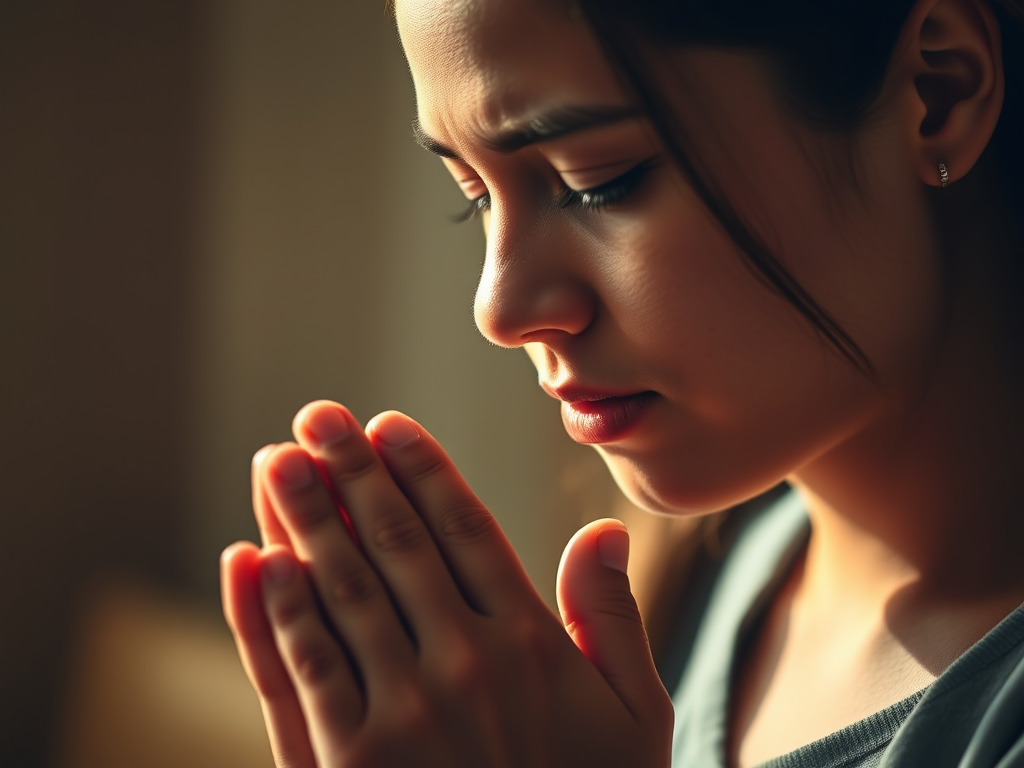
Feel free to forward it to anyone you wish. My mission is to encourage everyone to follow our Lord Jesus Christ with all their heart, soul, mind, and strength. ©Darlene J. Conard Vision Ministries 2026. This may not be republished or used without the author’s written consent. The photograph is AI-generated. Darlene J. Conard is also affiliated with Glory Carrier Ministries. If you have a prayer request, please email it to darlene.conard@hotmail.com, and my intercessors and I will pray.
 WRITING GOD'S VISION----AUTHOR DARLENE JUANITA CONARD